When a parent starts needing more help, families often hear the terms assisted living and memory care almost at the same time. They can sound like two versions of the same thing, but they are meant for different situations. The right choice depends less on age and more on what your loved one can safely do, how much support they need, and whether memory loss is changing their judgment or ability to recognize danger.
In Arizona, assisted living facilities can provide different levels of service, including supervisory care, personal care, and directed care. Memory care services are designed for people living with dementia and other progressive brain disorders and can include specialized environments, care planning, activity programming, medication services, and other supports required by state rules.
What assisted living is designed to help with
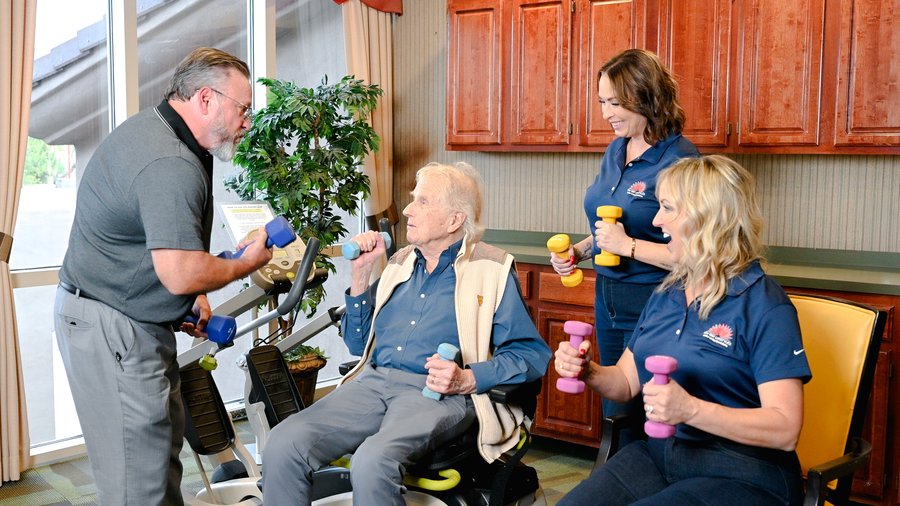
Assisted living is often a good fit for an older adult who wants to remain as independent as possible but needs regular help with parts of daily life. That could include bathing, dressing, medication support, meals, mobility, housekeeping, transportation, or simply having staff nearby if something goes wrong.
The person may still know where they are, understand why they are receiving help, make many of their own decisions, and participate actively in choosing how they spend their day. The amount of support can vary significantly from one community to another, which is why families should compare the actual services rather than relying only on the words “assisted living.”
What makes memory care different
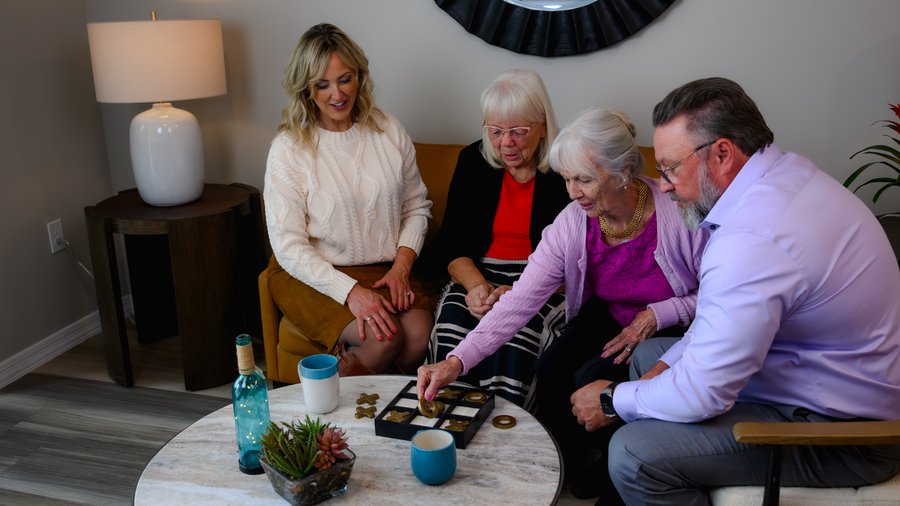
Memory care is built around the challenges that can come with Alzheimer's disease and other forms of dementia. Those challenges are not limited to forgetting names. A person may become disoriented, wander, struggle to recognize danger, have difficulty communicating needs, experience changes in behavior, or lose the ability to make basic care decisions safely.
Arizona law defines memory care services as support for people with dementia and other progressive and neurodegenerative brain disorders. The state's standards address areas such as specialized environmental features, care planning, directed care, medication administration, accommodations, programming, and staff training.
A simple way to think about the difference
Assisted living asks, “What help does this person need to live safely and comfortably?” Memory care adds another question: “Does cognitive impairment change the way care, supervision, communication, and the physical environment need to be provided?”
Someone can need a lot of physical help and still be appropriate for assisted living. Another person may be physically strong but need memory care because they wander, cannot reliably summon help, or no longer recognize unsafe situations.
Signs assisted living may be enough
Assisted living may be worth exploring when your loved one mainly needs help with daily tasks but can still participate in decisions and move through the day with a reasonable level of orientation and safety. You might notice missed meals, trouble managing medications, difficulty with bathing or dressing, increasing falls, isolation, or a home that is becoming too hard to maintain.
Those signs do not automatically mean assisted living is the only option. Home care, family support, home modifications, and other services may also be part of the conversation. The point is to match support to the actual needs of the person.
Signs memory care deserves a closer look
Memory care may deserve a closer look when cognitive changes are creating safety concerns or when a general assisted living setting can no longer provide the structure the person needs. Examples can include repeated wandering or exit-seeking, getting lost in familiar places, unsafe use of appliances, inability to recognize emergencies, major changes in judgment, or behaviors that require staff trained in dementia care.
The Alzheimer's Association recommends asking whether a provider offers services specifically designed for people with dementia because not every assisted living setting does. That is an important distinction during tours.
Questions to ask when touring
Instead of asking only whether a community “has memory care,” ask what that actually means day to day. Find out what level of care the community is licensed to provide, what dementia training staff receive, how the environment supports residents who may wander, how medication support works, what happens when needs increase, and how families are kept informed.
You should also ask about staffing, activities, meals, emergency procedures, transportation, move-in requirements, pricing, and the process for reassessing a resident. A beautiful lobby tells you very little about how care is delivered at 2 a.m.
Check the Arizona license and history
Arizona families can use the Arizona Department of Health Services provider search to look up licensed assisted living facilities. This is a useful due-diligence step, but it should not be the only one. A license tells you a provider is operating within the regulatory system. It does not tell you whether the setting feels right for your parent's personality, budget, routines, social preferences, or specific care needs.
The decision is often emotional before it is logistical
Families rarely reach this point because everything is calm. There may have been a fall, a hospital stay, a rehab discharge deadline, months of caregiving exhaustion, or a diagnosis everyone is still processing. It is normal for relatives to see the situation differently.
That is why a good senior living search starts with an assessment of the whole picture: care needs, cognitive changes, safety, budget, location, family involvement, lifestyle, and what the older adult wants whenever they are able to participate in the decision.
You do not have to compare every community on your own
New Day Lifestyles helps Arizona families understand the level of care they are looking for and narrow the search to options that fit. The team provides in-person assessments, curated community options, guided tours, and move-in support across the greater Phoenix area. The service is provided at no cost to families.
If you are unsure whether assisted living, memory care, or a smaller residential care home is the better fit, start with the needs rather than the building. A conversation with a local advisor can help you understand what to compare before you spend days touring places that were never a realistic match.